
Design and construction, resolved as one process.
BOWCON is a design-and-construct firm in Adelaide, South Australia, holding design and construction as a single discipline. One accountable entity carries a decision from the first drawing to the built form, so architectural intent reaches the site without dilution.
02.1 / The handover gap
Where design and construction are split, intent is renegotiated.
The conventional model separates two disciplines. An architect resolves the design; a builder is appointed later to deliver it. The drawing and the site are governed by different parties, on different contracts, with different incentives.
Good architects produce serious work, and BOWCON builds alongside them. The gap is structural, not personal. At handover, intent is restated rather than carried. Detailing that was resolved on paper is reopened against a construction budget, and ambition is value-engineered downward in delivery — substituted, simplified, or quietly dropped.
Accountability splits with it. When the built result falls short of the design, the line between what was specified and what was achievable runs straight between the two parties. The owner stands on one side of that line; the work stands on the other.
02.2 / One process, from concept to built form
One discipline. One accountable entity. From first conversation to handover.
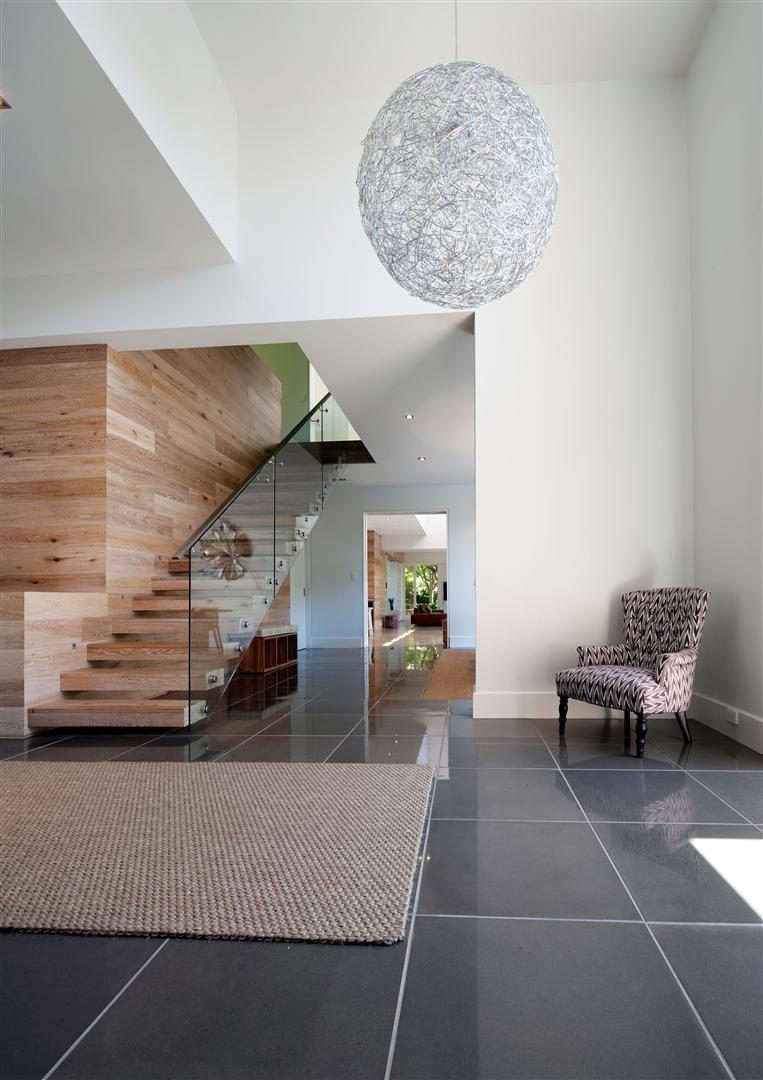
BOWCON controls design and construction as a single process. The decision made in drawing is the decision built on site, because the same firm is responsible for both. There is no second appointment, no renegotiation, no point at which the work changes hands.
This is full-chain control. Material, detailing and execution are treated as fundamental to the design, not as a secondary delivery problem to be solved after the fact. What can be built, and built well, is understood while the design is still being resolved — so the drawing commits to what the construction will hold.
One entity is accountable from the first conversation to handover. There is no line to argue across. The standard set in design is the standard the owner is handed, carried through to built form.
The standard set in design is the standard the owner is handed, carried through to built form.
BOWCON — on single-process control02.3 / What this changes
Substance, control, and a building that holds its standard.
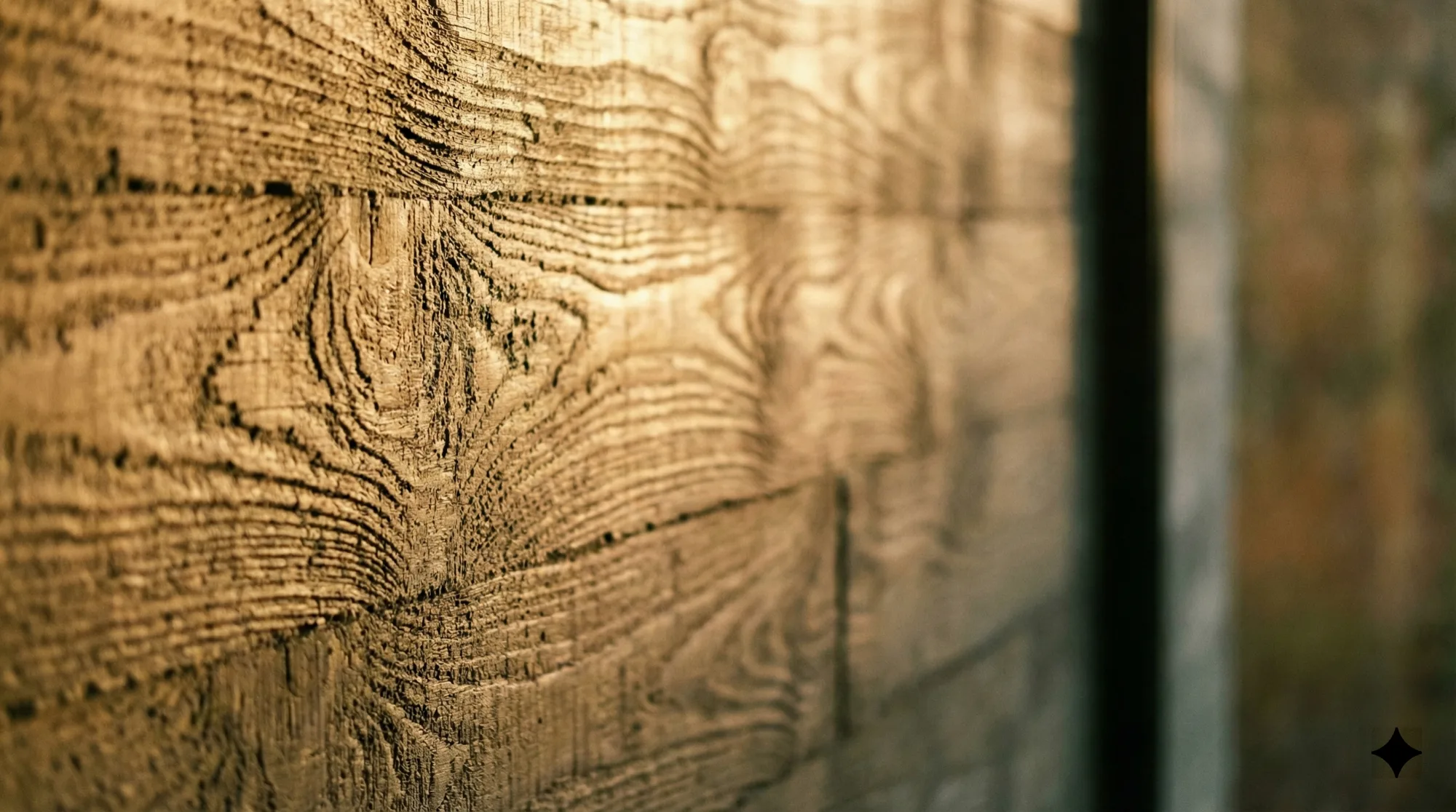
Single-process control changes the result, not the rhetoric. Architectural ambition reaches built form intact, because nothing renegotiates it on the way. The work is substantial where it should be substantial — in structure, in material, in the detailing that is felt long after the finish.
Control stays in one place. Decisions are deliberate and traceable to a single accountable party, which is what makes the standard enforceable rather than aspirational. The benchmark is internal, and it is applied to every decision the same way.
What the owner is left with is permanence. (For how this method meets Adelaide’s specific ground, climate and approval conditions, see design and construct in Adelaide.) A building resolved as one process is built to endure and to be measured against — it holds its standard over time, under use, and in the detail. This is proof, not proclamation.

02.4 / Questions
Design and construct, in plain terms.
What does design and construct mean?
Design and construct means a single firm is responsible for both designing a building and constructing it, under one process and one line of accountability. At BOWCON, design and construction are resolved as one discipline rather than handed between separate parties. The firm that draws the building is the firm that builds it, so the intent set in design is the intent delivered on site.
How is design intent carried through to built form?
Intent is carried through because it never changes hands. In the conventional model, a design is resolved by one party and then handed to a builder, where detailing is reopened against a construction budget and ambition is value-engineered downward. BOWCON removes that handover. Material, detailing and execution are decided as part of the design, by the same firm that will build it, so the drawing commits only to what the construction will deliver — without dilution.
Who controls the build?
BOWCON does. One accountable entity controls both the design and the construction, from the first conversation to handover. There is no second appointment and no split between architect and builder to argue across. Decisions are deliberate, traceable to a single party, and measured against the firm's own standard.
What does single-process control change for the result?
It changes the substance of what gets built. Because design and construction are held as one process, architectural ambition reaches built form intact instead of being eroded in delivery. The result is a building with substance in its structure, material and detailing — one that is built to endure and to be measured against, and that holds its standard over time.